Home EV Charging vs Public Stations: What’s the Real Difference?
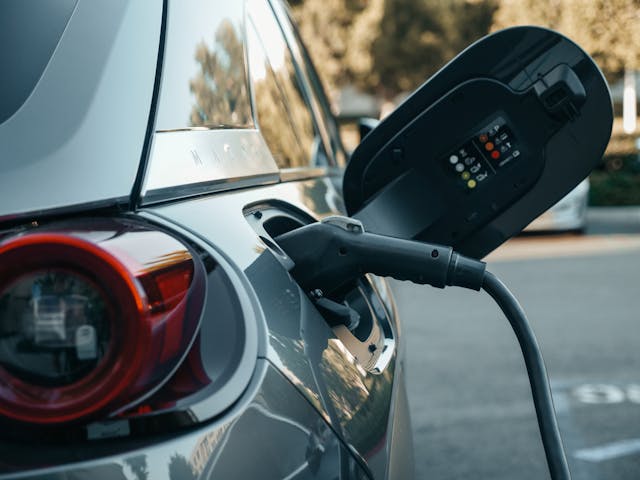
As electric vehicles become part of everyday life, charging options are expanding just as quickly. Today, EV drivers generally rely on two main approaches: public charging stations and residential, home-based charging. While both are essential to the EV ecosystem, they offer very different experiences—and understanding those differences can help drivers charge smarter and help homeowners see new opportunities.
Public Charging Stations: Built for Scale
Public charging stations are designed to serve a wide range of drivers in high-traffic areas. You’ll typically find them along highways, in shopping centers, office complexes, and parking garages. For road trips or quick stops, public chargers—especially fast chargers—can be extremely useful.
That said, public charging comes with trade-offs. Availability isn’t always guaranteed. Stations can be occupied, offline, or throttled due to demand. Pricing may vary by time of day, network, or charging speed, and additional fees can apply. For many drivers, public charging is practical—but not always predictable.
Home EV Charging: Built for Convenience
Home-based charging focuses on reliability, comfort, and control. Charging near or at a residence often means quieter locations, flexible scheduling, and transparent pricing. Drivers can reserve time slots in advance and avoid crowded stations altogether.
For homeowners, home charging presents a unique opportunity. Most residential chargers sit idle for large portions of the day—overnight, during work hours, or while running errands. By sharing that unused time, homeowners can earn passive income without installing commercial hardware or committing to fixed schedules.
A Different Charging Experience
One of the biggest differences between public and home charging is the experience itself. Public stations prioritize speed and throughput. Home charging prioritizes ease and familiarity. For many drivers, pulling into a nearby driveway or residential charging spot feels more like parking than refueling.
This difference becomes especially important in neighborhoods with limited public infrastructure or apartment-heavy areas where access to chargers is scarce. Residential charging helps fill those gaps by using infrastructure that already exists.
Which Option Is Better?
The truth is, neither option replaces the other. Public charging is essential for long-distance travel and high-demand areas. Home charging shines in everyday use—especially for local, overnight, or planned charging sessions.
Together, public and residential charging create a more flexible and resilient EV ecosystem. When drivers have more choices, charging becomes less stressful, more efficient, and easier to integrate into daily life.